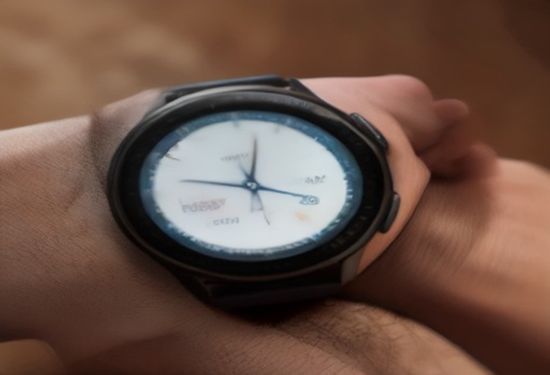
Samsung Deploys New AI Models to Decode Wearable Health Signals
Samsung Research America’s Digital Health Team has unveiled two novel foundation models—HiMAE and XMAE—specifically engineered to interpret complex biosignal data streams from wearable devices like the Galaxy Watch. This marks a significant leap forward in how raw physiological data—from ECG waveforms to photoplethysmography (PPG) pulses—can be transformed into clinically meaningful insights. Instead of relying on generic algorithms, these specialized architectures are designed from the ground up for the time-series nature of biological data, enabling more accurate analysis of heart health, stress levels, and other vital metrics.
This development underscores a broader industry shift toward what we often call What is AI—a technology now moving beyond simple pattern recognition into the realm of predictive health. By focusing on self-supervised learning across massive datasets of unlabeled biosignals, Samsung’s models can adapt to individual user variations much more effectively than traditional methods. The underlying principle involves AI Tokens, which, in this context, represent discrete chunks of time-series data that the model processes to understand physiological rhythms and anomalies. This token-based approach is crucial for efficiently handling the continuous, high-frequency data generated by modern wearables.
The introduction of these dedicated AI Models marks a clear distinction from generic, multimodal systems, prioritizing depth over breadth in the healthcare domain. The models are seen as a foundational step toward proactive wellness, potentially enabling early detection of conditions like atrial fibrillation or irregular heart rhythms directly from a person’s wrist. Future iterations of Samsung Health could leverage this on-device intelligence to provide real-time coaching and health alerts, moving from simple activity tracking to a more comprehensive digital health companion. As these models mature, the boundary between consumer electronics and medical-grade monitoring continues to blur, promising a future where our everyday devices offer critical preventative care.
- Why it matters: Enables earlier detection of cardiovascular and other health issues by analyzing raw biosignals directly on wearable devices, moving from reactive to proactive healthcare.
- Why it matters: Sets a new standard for personalized health insights, as foundation models can learn individual physiological baselines, leading to more accurate and tailored recommendations than generic algorithms.
- Why it matters: Paves the way for advanced on-device AI without constant cloud connectivity, ensuring user privacy and faster response times for critical health alerts.