New RAND Framework Ranks AI Data Center Sites by Energy Viability
The RAND Corporation has released a new analytical framework designed to evaluate the energy potential of artificial intelligence data center locations, moving beyond simple grid capacity checks to a more holistic site suitability model. As demand for computational power surges, the methodology combines factors like renewable energy availability, water resources, grid resilience, and local infrastructure to identify optimal locations for massive AI facilities. This comes at a critical time when understanding What is AI has shifted from a technical curiosity to a strategic national priority, with data centers becoming the physical backbone of the digital economy. The report specifically addresses the growing tension between the explosive growth of AI Tokens and the finite energy resources required to process them, offering a replicable scoring system for policymakers and developers.
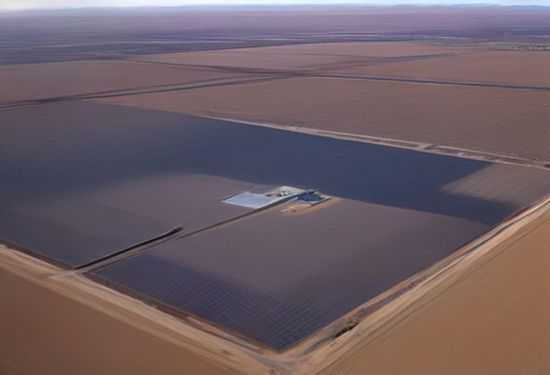
According to the study, traditional siting decisions have largely focused on proximity to power substations and fiber optic lines, but this narrow view ignores the long-term operational risks posed by climate variability and aging grid infrastructure. The proposed framework integrates multiple data layers, including historical weather patterns, projected demand curves for AI Models, and local regulatory environments, to produce a composite suitability score for each candidate site. By applying the framework to a test case in the U.S., researchers found that several previously overlooked rural regions in the Midwest and Southwest outperformed major tech hubs on combined energy sustainability and cost metrics. This data-driven approach allows stakeholders to compare sites not just on current capacity, but on projected energy stability over a 20-year operational horizon.
The practical implications for the industry are significant, especially as hyperscale operators race to secure power purchase agreements and build out new gigawatt-class campuses. The RAND team emphasizes that the framework is not a fixed solution but an adaptable tool that can incorporate new data as renewable technologies evolve and as AI Models become more energy-efficient. Early feedback from utility planners and data center developers suggests the scoring system could help de-risk multi-billion-dollar investments while also aligning with state-level decarbonization mandates.
- Why it matters: This framework provides a proactive method to avoid energy crises by identifying sites with long-term sustainable power, reducing the risk of stranded assets.
- Why it matters: It gives smaller utilities and rural communities a transparent tool to compete for high-value AI infrastructure investments, potentially reshaping the economic geography of tech.
- Why it matters: The methodology supports national energy security by highlighting locations where renewable generation and storage can be co-located, reducing dependence on fragile transmission lines.