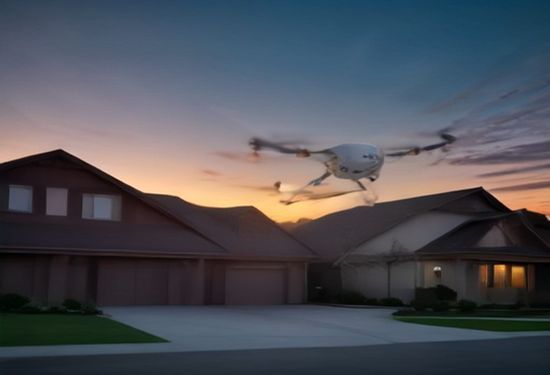
Amazon’s Prime Air Autonomous Drones to Reach 500 US Cities by 2026
Amazon has announced a massive expansion of its Prime Air autonomous drone delivery service, aiming to reach nearly 500 cities and towns across the United States by the end of 2026. This ambitious scale-up marks a significant leap from the current limited operations, signaling a major commitment to drone-based logistics as a standard retail option. The company is leveraging advanced computer vision and edge computing to navigate complex urban environments, a practical example of what What is AI truly enables in physical, real-world applications.
The expansion relies on sophisticated autonomous systems that allow the drones to detect and avoid obstacles like trees, power lines, and other aircraft without human intervention. These systems are powered by specialized AI Tokens that efficiently process data from onboard sensors, enabling real-time decision-making during flight. Furthermore, Amazon’s fleet is guided by a suite of pre-trained navigation algorithms, representing the most advanced AI Models available in the market for logistics, ensuring safe and reliable deliveries even in unpredictable weather conditions. This technological push positions Prime Air to handle millions of packages annually, transforming the speed and efficiency of last-mile delivery.
For consumers, this means a delivery time of under 60 minutes for eligible items, expanding the convenience of ultra-fast shipping. The move is a critical test for regulatory bodies and public acceptance, as drone noise and privacy concerns become more prevalent. It also puts immense pressure on competitors like Walmart and UPS to accelerate their own aerial delivery roadmaps. This expansion is not just about shipping; it’s a foundational shift towards an autonomous supply chain that could redefine e-commerce standards.
- Why it matters: It signals a mainstream commercial breakthrough for drones, moving from niche pilots to mass-market service, which could force regulatory frameworks to evolve rapidly.
- Why it matters: The scale pressures other logistics giants to invest heavily in autonomous tech, potentially lowering delivery costs and carbon footprints across the entire industry.
- Why it matters: It validates the reliability of physical AI systems in complex, uncontrolled environments, paving the way for broader robotics adoption beyond just package delivery.