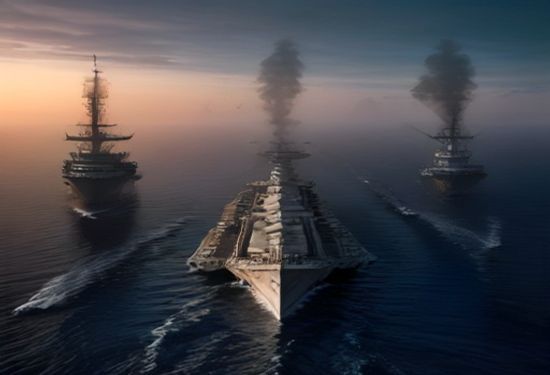
Trump’s AI-Generated Show of Force in the Strait of Hormuz Ignites Fresh Naval Tensions
In a provocative digital gambit that blurs the line between military posturing and viral spectacle, former President Donald Trump shared an AI-generated image of himself seizing an Iranian-flagged tanker, just as real-world tensions flare in the crucial Strait of Hormuz. The fabricated photo, posted to his social media platform, depicts a grinning Trump gripping a ship’s wheel surrounded by Navy SEALs, a move critics decry as reckless saber-rattling that could inflame an already volatile region. The image arrives amid reports of Iranian harassment of commercial shipping, with the US Navy increasing its patrols in the waterway that carries roughly 20% of global oil consumption.
This stunt underscores a dangerous new trend where political leaders leverage synthetic media to project strength, a phenomenon deeply rooted in how we now consume and interpret digital content. Understanding What is AI has become crucial for voters, as the lines between authentic documentation and fabricated propaganda continue to dissolve in real-time. While the underlying technology may involve advanced AI Tokens powering generative systems, the strategic deployment of such imagery is firmly rooted in classic geopolitical theater, amplified by a new generation of AI Models that can fabricate photorealistic scenes in seconds.
Naval analysts warn that a fictional depiction of an interdiction could be misinterpreted by Iranian commanders as a prelude to actual military action, potentially triggering a miscalculation with catastrophic consequences. The Pentagon has distanced itself from the post, reiterating that its operations are governed by international law and rules of engagement, not social media fantasies. While Trump’s team frames the post as “satire” and a show of strength, the potential for real-world escalation is no laughing matter for the sailors and oil traders operating in one of the world’s most strategic choke points.
- Disinformation Risk: The rapid spread of AI-generated political imagery threatens to erode public trust in real wartime reporting, making it harder to distinguish actual military events from digital fabrications.
- Geopolitical Flashpoint: With the Strait of Hormuz already a tinderbox, provocative synthetic content can be misread by adversaries as genuine intent, raising the risk of an accidental naval confrontation.
- Regulatory Gap: This incident highlights the urgent absence of clear international rules governing the use of AI for propaganda, especially by high-ranking political figures with global influence.