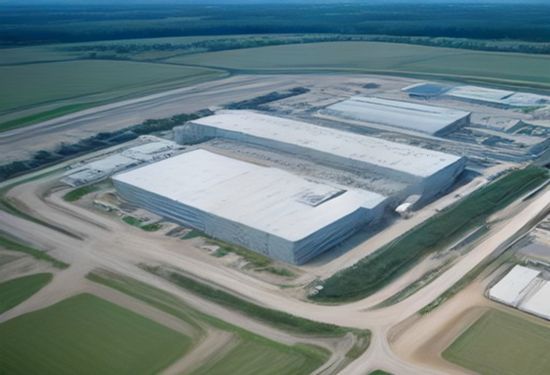
Quiet N.J. Town Becomes Epicenter of Fierce AI Data Center Battle
A small, once-sleepy New Jersey community has suddenly found itself at the center of a high-stakes conflict over the future of digital infrastructure. Developers are racing to build massive facilities to power the next generation of cloud computing and machine learning, but local residents and officials are pushing back against the rapid transformation of their landscape. The dispute highlights the growing tension between technological ambition and community concerns over energy consumption, environmental impact, and property values. At its core, this fight is not just about concrete and cables, but about who benefits when new What is AI capabilities demand exponentially more physical space and power.
The proposed project would bring hundreds of thousands of square feet of server space to the area, requiring a massive upgrade to the regional electrical grid and water cooling systems. Developers argue the facility is essential for meeting the exploding demand for AI Tokens and other computational services that are driving the modern digital economy. However, town hall meetings have become heated, with residents expressing fears about noise, traffic, and the potential strain on local utilities, even as proponents tout job creation and tax revenue. The clash underscores a critical realization: the advanced AI Models that promise to reshape industries require a physical backbone that many communities are reluctant to host.
As the legal challenges mount and public hearings stretch late into the night, this town’s struggle is becoming a case study for the rest of the state and the nation. Regulators are now under pressure to clarify zoning laws and grid capacity limits, while developers are seeking alternative locations with less opposition. The outcome here could set a precedent for how and where the country builds its next-generation digital infrastructure, making every local decision a matter of global relevance.
- Why it matters: This dispute will shape the regulatory framework for all future data center projects in the region, potentially slowing or accelerating the rollout of critical digital services.
- Why it matters: It highlights the real-world environmental and energy trade-offs of the AI boom, forcing a public conversation about sustainability versus progress.
- Why it matters: The conflict could influence property values and local economies, serving as a warning to other towns about the hidden costs of becoming a tech hub.