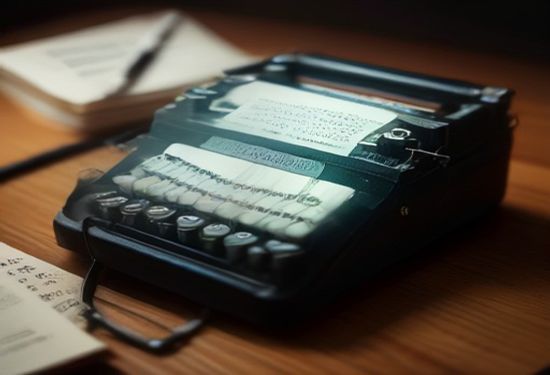
AI Ghostwrites a Novel: Surprisingly Decent, Tech Journalist Finds
In a hands-on experiment for Mother Jones, a journalist tasked an advanced AI with writing an entire novel, expecting a disjointed mess of clichés. Instead, the resulting narrative was coherent, stylistically varied, and even emotionally engaging at points, challenging pre-conceived notions about machine creativity. The experience forced a reconsideration of the line between human authorship and algorithmic generation, particularly as the underlying What is AI technology becomes more accessible to everyday users. The experiment highlights how quickly the capabilities of large language models have evolved, moving from simple text prediction to complex, multi-chapter storytelling with thematic consistency.
While the AI-produced novel wasn’t a masterpiece destined for a Pulitzer, it demonstrated a startling proficiency in pacing, character development, and descriptive prose, often mimicking the stylistic fingerprints of famous authors. The journalist noted that the AI’s output was “not so bad,” acknowledging that it effectively executed structural elements like plot twists and narrative arcs that typically require significant human skill. This raises practical questions about the future of writing assistance, where AI Tokens and their computational costs are becoming a standard part of the creative toolkit, not just for tech enthusiasts. The process involved iterative prompting and editing, revealing a workflow that blends human direction with machine suggestion, rather than a fully autonomous creative force.
Ultimately, the article suggests that the immediate impact of AI on literature may not be the replacement of authors, but the democratization of drafting and ideation. The journalist found value in using the AI as a brainstorming partner, capable of generating outlines, alternative scenes, and even overcoming writer’s block with surprising ease. This practical utility is driven by the rapid advancement in the architecture of AI Models, which are becoming more adept at understanding long-form context and nuanced requests. The most profound takeaway isn’t about the quality of the machine’s prose, but about how it challenges us to redefine the essential components of authorship in an era of intelligent assistance.
Why it matters
- Creative Augmentation: AI tools are shifting from novelties to practical collaborators for writers, offering new methods to overcome creative blocks and explore narrative possibilities.
- Copyright and Authorship: As AI-generated text becomes indistinguishable from human writing in quality, legal and ethical frameworks for ownership and originality will face unprecedented pressure.
- Industry Disruption: The affordability and accessibility of AI writing tools could accelerate the output of content, potentially flooding markets and impacting the livelihoods of professional writers and editors.