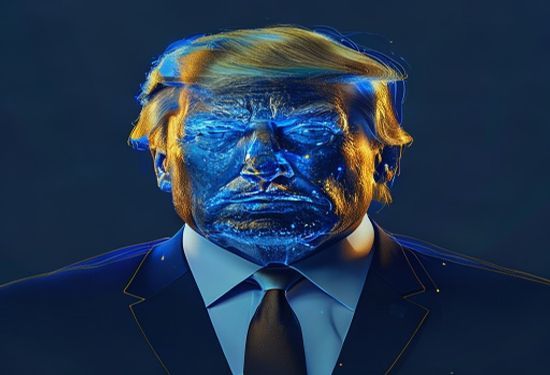
Trump Weighs AI Security Crackdown Following OpenAI Breaches
In the wake of a series of high-profile hacking incidents targeting OpenAI, the Trump administration is reportedly considering new federal controls on artificial intelligence development. According to a BBC report, these potential regulations aim to bolster national security and address vulnerabilities exposed by the recent cyberattacks on the ChatGPT creator. Understanding What is AI has become a critical question for policymakers who must now decide how to balance innovation with the urgent need for stricter safeguards against malicious actors.
The proposed measures could reshape the landscape for companies that rely on AI Tokens and advanced computational systems to power their platforms. Officials are particularly concerned about the security of the underlying AI Models that drive these high-profile applications, as breaches have the potential to compromise sensitive data and algorithmic integrity. The administration’s shift toward tighter regulation signals a growing recognition that current voluntary security measures may be insufficient to protect critical digital infrastructure from sophisticated threats.
Industry experts warn that sweeping government controls could slow the pace of AI research and deployment, potentially ceding technological advantages to global competitors. However, proponents argue that without robust federal oversight, the repeated exploitation of vulnerabilities will erode public trust and invite even more devastating cyberattacks. As the debate intensifies, the tech world is watching closely to see how the Trump team will attempt to secure what many consider to be the most transformative technology since the internet itself.
Why it matters
- National Security Threat: The OpenAI hacks demonstrate that advanced AI systems are now prime targets for state-sponsored and criminal cyberattacks, potentially exposing critical data and infrastructure to hostile actors.
- Regulatory Precedent: Any new controls imposed by the Trump administration would set a major legal and policy precedent for how the U.S. government oversees the rapidly evolving AI industry, impacting everything from startup funding to corporate compliance.
- Global Competitiveness: Overly restrictive controls could hamstring American AI innovation, while a lack of action could lead to a fragmented global internet where security standards vary wildly between nations and companies.