Nvidia’s Revolutionary Approach to Healthcare Robotics Using Physical AI
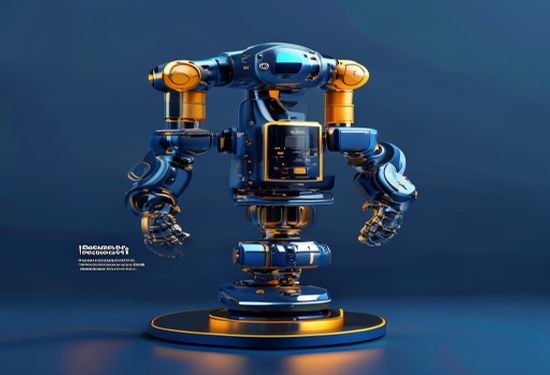
Nvidia has unveiled a groundbreaking Medical Physics Simulation framework designed to transform healthcare robotics by treating robots as physical AI systems. This innovative approach allows robots to gain essential embodied experiences, enabling them to learn from real-world interactions rather than just relying on coding. The framework leverages advanced AI models to address the critical data challenges faced in healthcare robotics, paving the way for improved surgical simulations and medical assistance.
The new initiative situates Nvidia at the forefront of a surge in interest surrounding AI Tokens in healthcare applications, where data integrity and real-time processing are crucial. By implementing a physical AI framework, Nvidia aims to streamline robotic performance in medical environments, directly impacting patient outcomes. The adoption of sophisticated AI models enhances the operational capabilities of healthcare robots, emphasizing the need for improved data management within this space.
This significant advancement not only promises enhanced efficiency in medical procedures but also signals Nvidia’s commitment to advancing the future of AI in healthcare. The implications extend beyond robotics, potentially redefining the landscape for AI technologies across multiple sectors. As the integration of physical AI into healthcare progresses, it highlights the growing necessity for adaptive learning in AI systems to address the complexities of human health care.
- This framework enhances robotic learning through real-world interactions, improving healthcare efficiency.
- Nvidia’s approach signals a shift in healthcare technology, combining AI Tokens with advanced robotics.
- The focus on embodied experience in AI underlines the critical need for adaptive learning in healthcare applications.