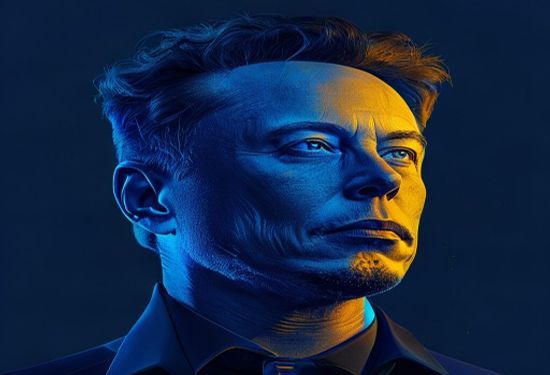
Elon Musk’s Critique of AI in ‘The Odyssey’
In a recent article, Elon Musk has expressed his dissatisfaction with the depiction of artificial intelligence in popular culture, specifically targeting the narrative presented in ‘The Odyssey.’ He argues that the portrayal fails to capture the complex realities associated with current advancements in AI, including the risks and ethical considerations surrounding powerful AI models. Musk’s critique not only reflects his concerns as a leading figure in technology but also raises important questions about the societal impact of technologies such as AI tokens and their volatility.
Musk highlights the difference between fictional representations and the authentic implications of AI’s integration into everyday life. His comments come at a time when the technology community is more focused than ever on the ramifications of artificial intelligence, particularly concerning safety, governance, and the future of work. The dialogue surrounding these issues also involves understanding the role of various AI models that are being developed and how they interact with economic systems, including the burgeoning world of AI tokens.
Musk’s dissatisfaction speaks to a broader narrative that emphasizes the need for deeper conversations about the ethical use of technology. As AI becomes more integrated into various sectors, the tension between innovation and regulation grows, demanding responsible stewardship to avoid the dystopian futures often envisioned in literature and film.
- Increased awareness: Musk’s critique sheds light on the complexities and risks associated with AI technologies, urging society to engage in informed discussions.
- Role of creative media: The portrayal of AI in popular culture has significant repercussions on public perception, highlighting the gap between fiction and reality.
- Emphasis on ethics: The discussion calls for a reevaluation of how AI models and AI tokens shape our socio-economic landscape.