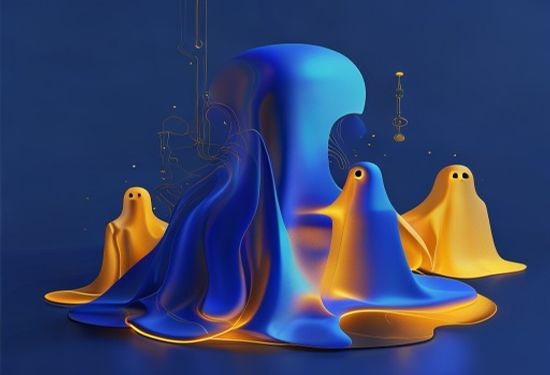
AI Firms Reimagine Afterlife with “Generative Ghosts”
Recent advancements in artificial intelligence (AI) have opened up a new frontier in digital immortality, as companies create “generative ghosts” of deceased loved ones. Utilizing cutting-edge AI Models, firms can synthesize voices and personalities that echo the traits of those who have passed. This capability raises profound questions regarding the fusion of technology and memory, as users explore the emotional implications of such innovations in the context of grief and legacy.
The rise of “generative ghosts” is part of a broader trend that includes the development of AI Tokens, which facilitate transactions and ownership within digital ecosystems. As people increasingly seek to reconnect with memories, technologies leveraging AI are not only redefining relationships with the deceased but also exploring the ethics around identity and consent. In a world where loss can be confronted through virtual interactions, understanding what AI is capable of becomes essential.
The implications of creating digital replicas of individuals extend far beyond nostalgia; they challenge our perceptions of life, death, and authenticity. As these technologies evolve, stakeholders must grapple with the psychological and legal ramifications of AI-generated personas. The conversation surrounding emotional health and technological possibility is just beginning, leaving society to ponder the ultimate cost of its ambition.
- This innovation could fundamentally alter how we experience grieving and memory.
- It presents ethical dilemmas regarding consent and digital representation.
- Understanding the technology’s implications is crucial for the future of personal relationships.